Aegina Island
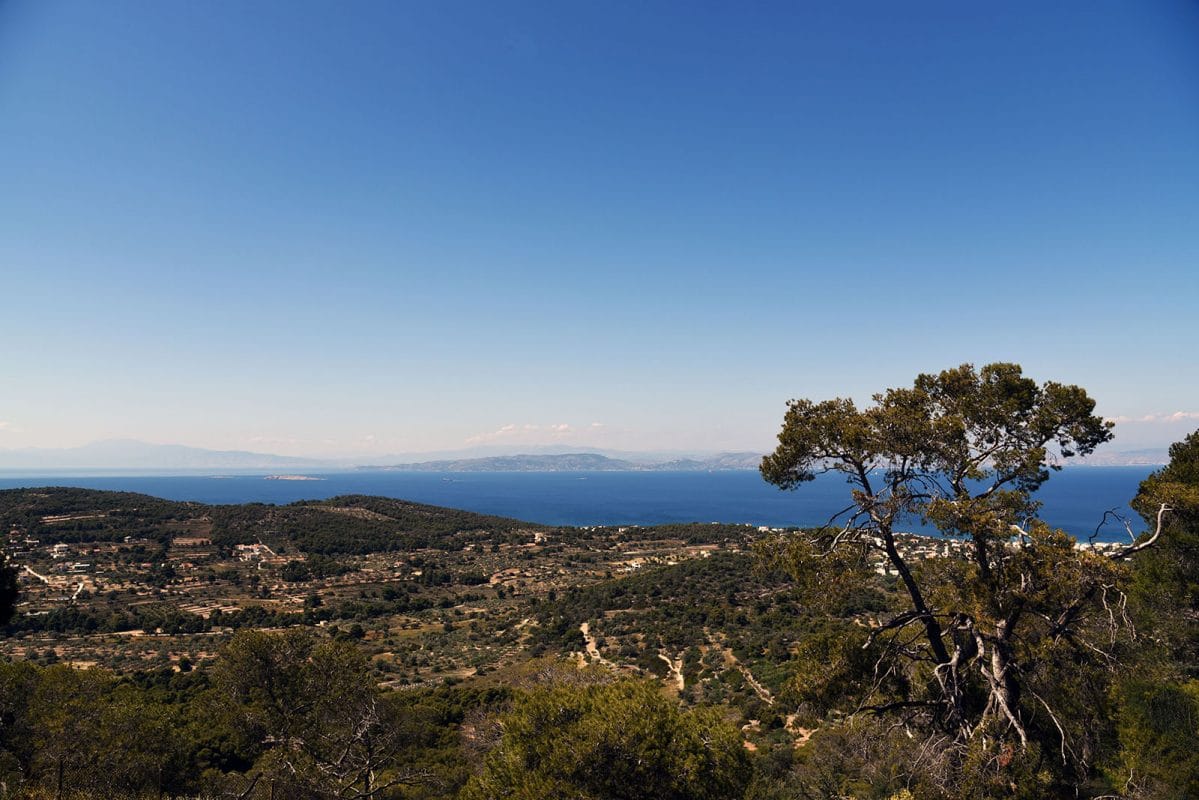
Aegina is one of the most historically significant islands in Greece. Inhabited since Neolithic times, it rose to prominence in antiquity as a powerful maritime and trading center, often rivaling Athens. Aegina was among the first Greek cities to mint silver coins, the famous “Aegina turtles,” which circulated widely across the Mediterranean and symbolized its naval strength. In modern history, Aegina holds a unique place as the first capital of contemporary Greece (1827–1829) under Ioannis Kapodistrias, before the seat of government moved to Nafplio and later Athens.
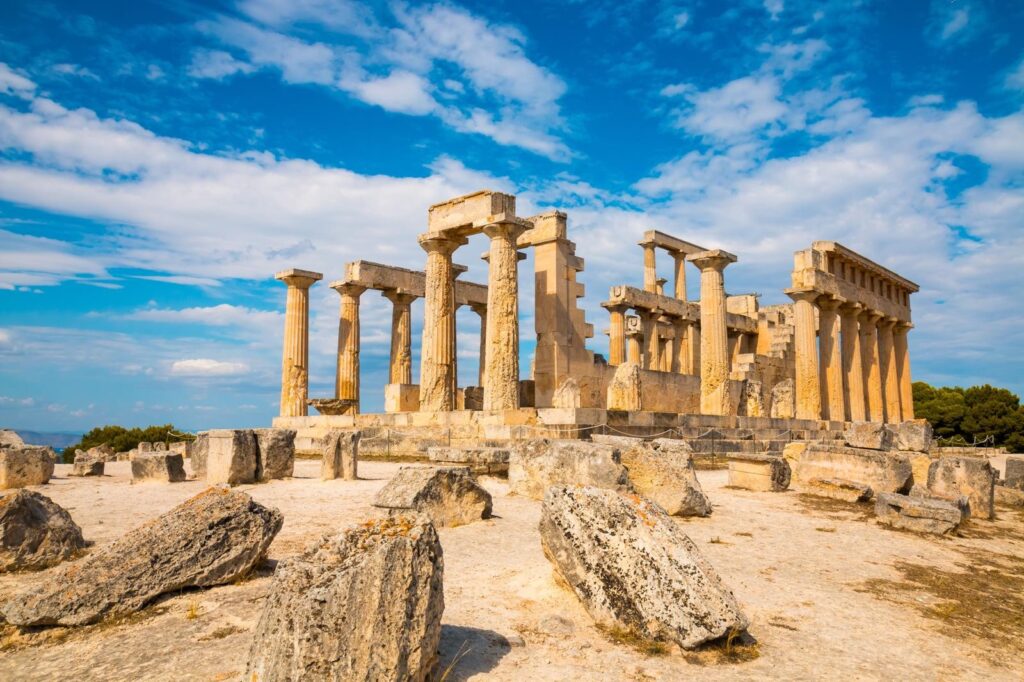
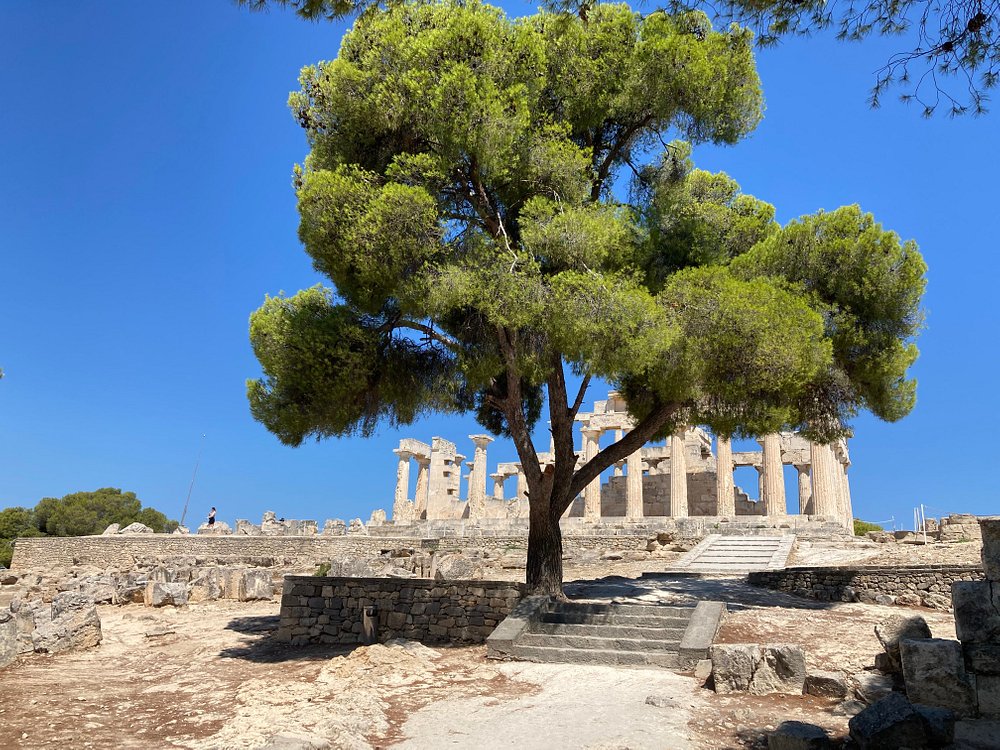
Temple of Aphaia
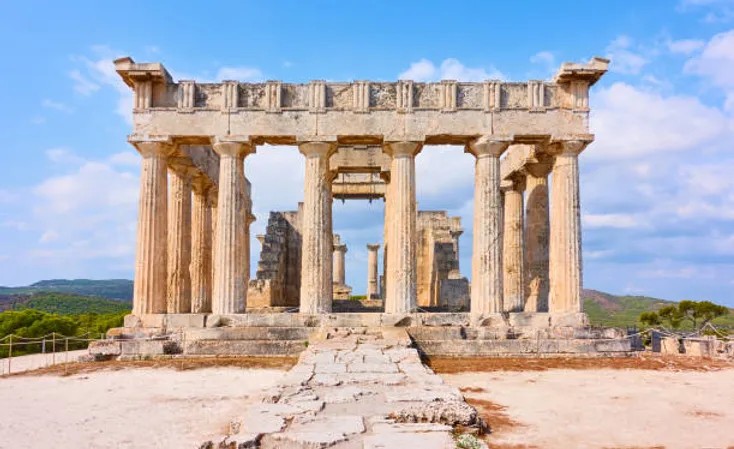
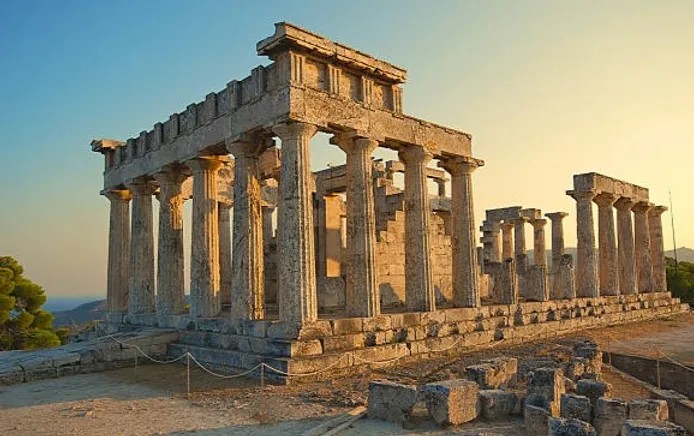
The Temple of Aphaia dates to around 500 BCE and is one of the best-preserved Doric temples in Greece. It was dedicated to Aphaia, a local goddess later associated with Athena, making the temple an important regional cult center. Architecturally, it is part of the sacred “Holy Triangle” formed with the Parthenon in Athens and the Temple of Poseidon at Cape Sounion. The temple’s sculpted pediments are historically important because they show the transition from Archaic to Early Classical art, capturing a pivotal moment in Greek artistic development.
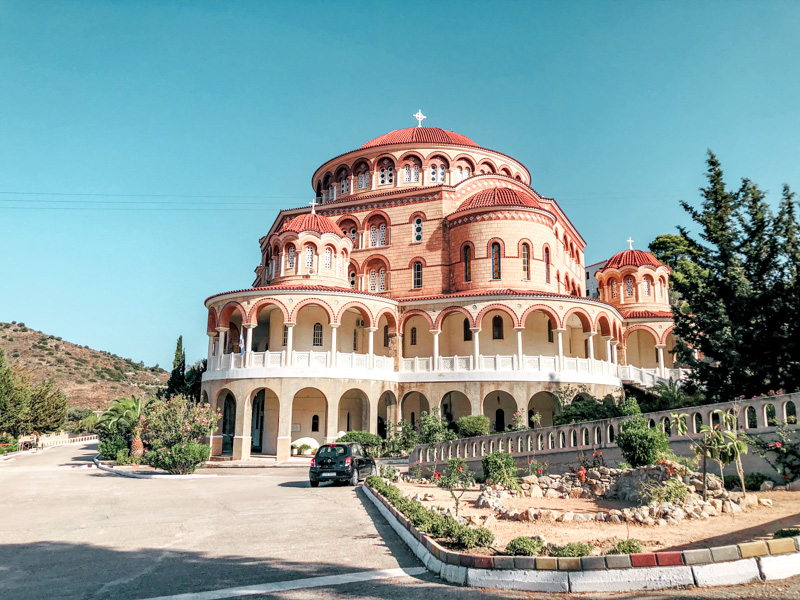
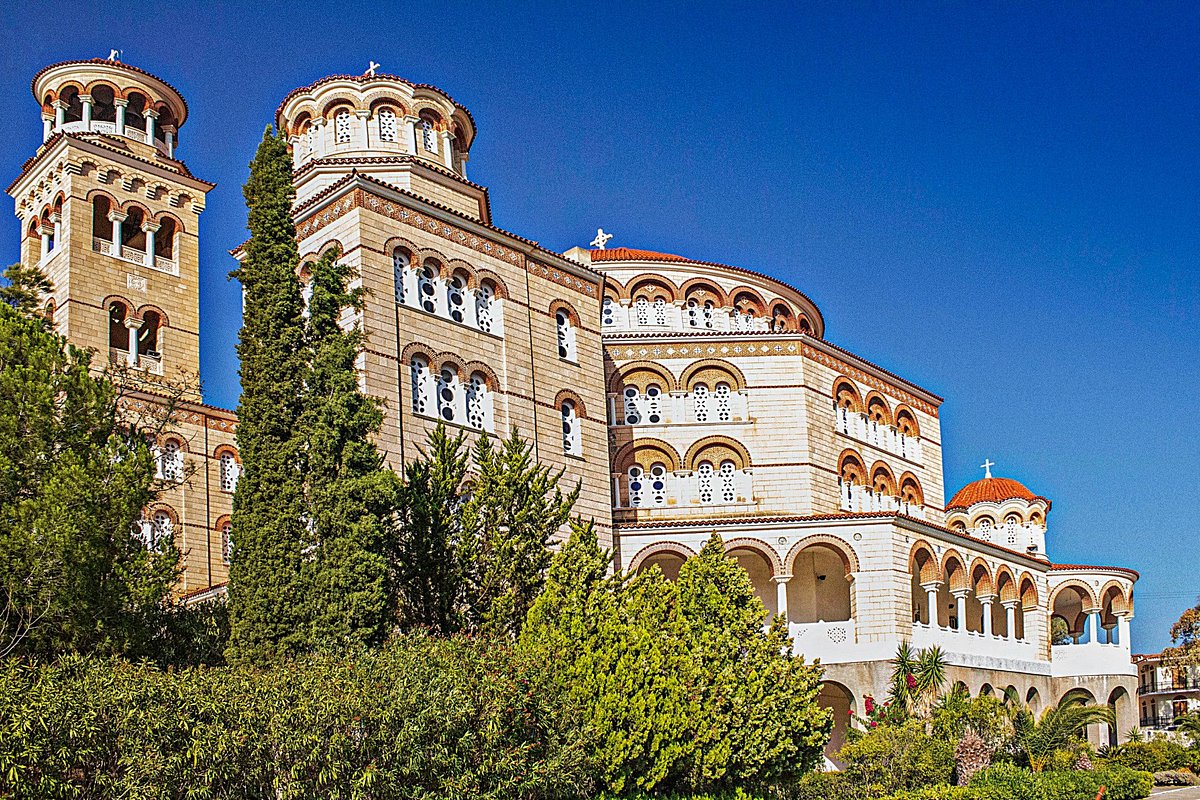
Agios Nektarios Monastery
The Monastery of Agios Nektarios is dedicated to Saint Nektarios, one of the most revered modern saints of the Greek Orthodox Church. He lived on Aegina at the beginning of the 20th century and was widely admired for his humility, spirituality, and charitable works. Canonized in 1961, Saint Nektarios is believed by many faithful to have performed miracles, making the monastery one of the most important pilgrimage destinations in Greece. The large cathedral complex reflects both Byzantine inspiration and modern ecclesiastical architecture.
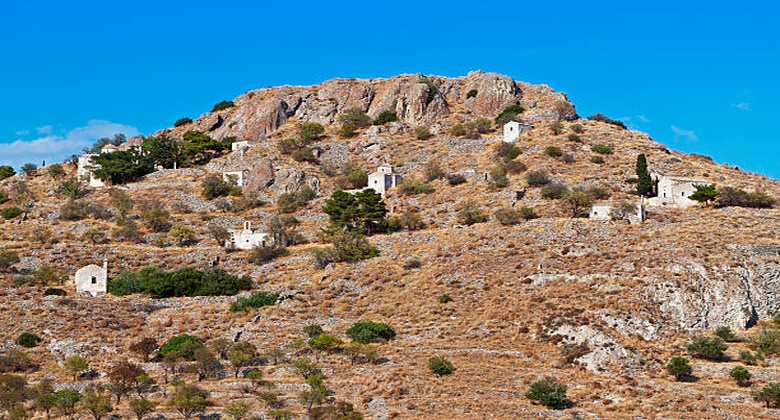
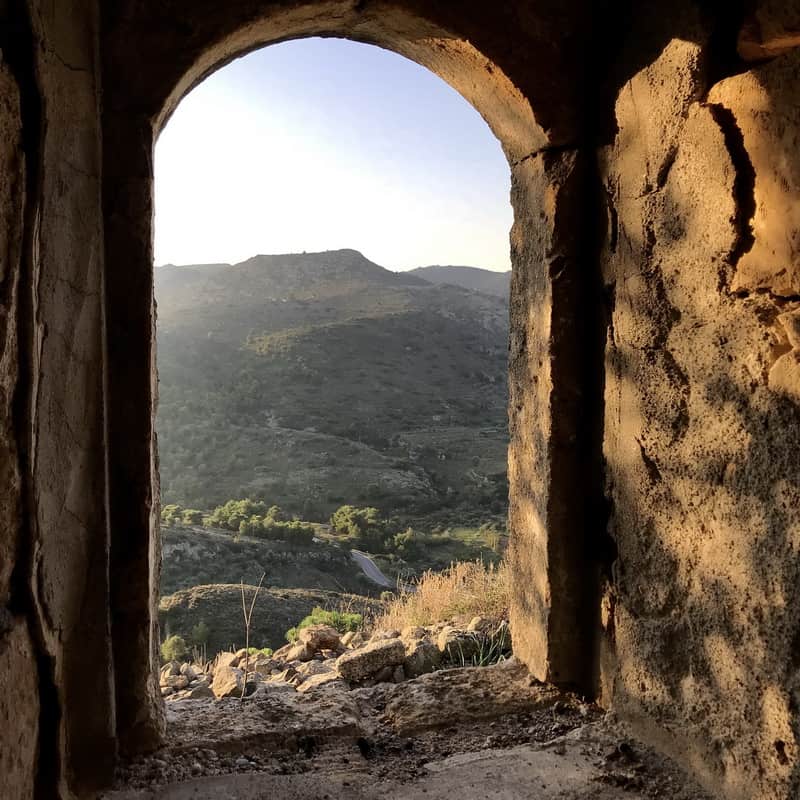
Paliachora – Aegina’s Old Town
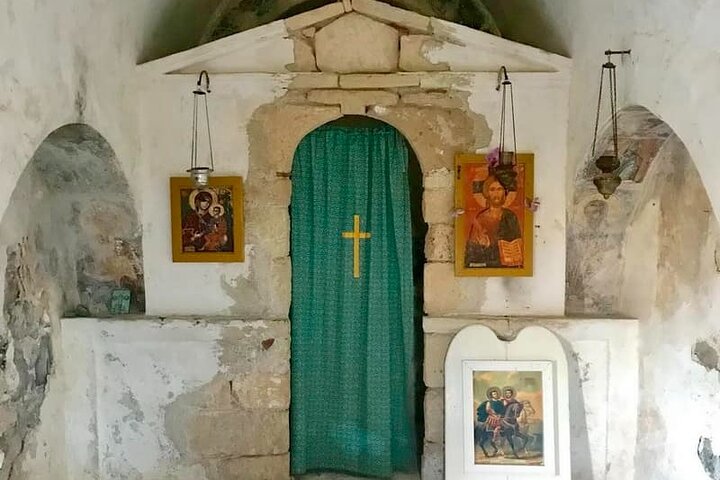
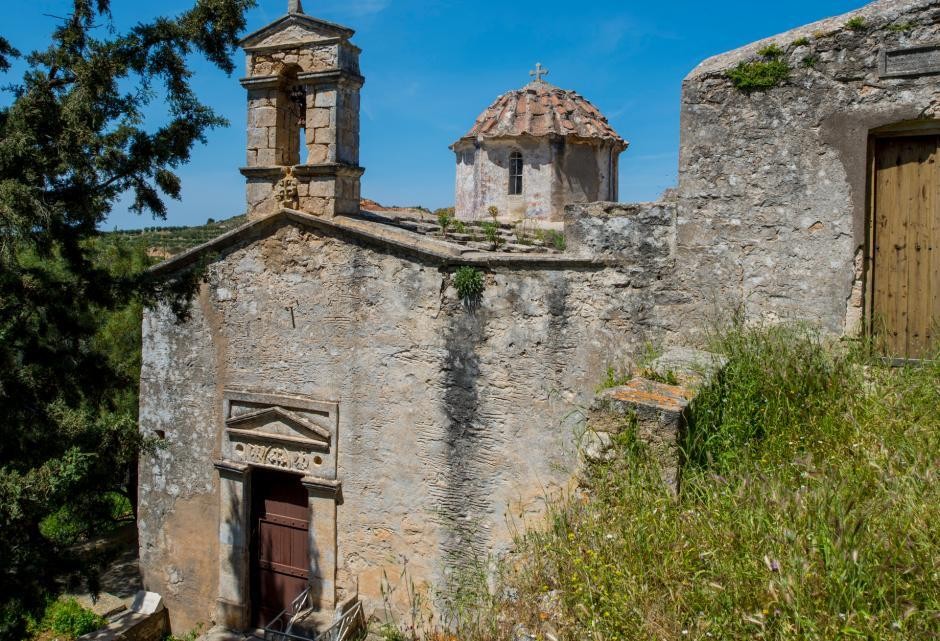
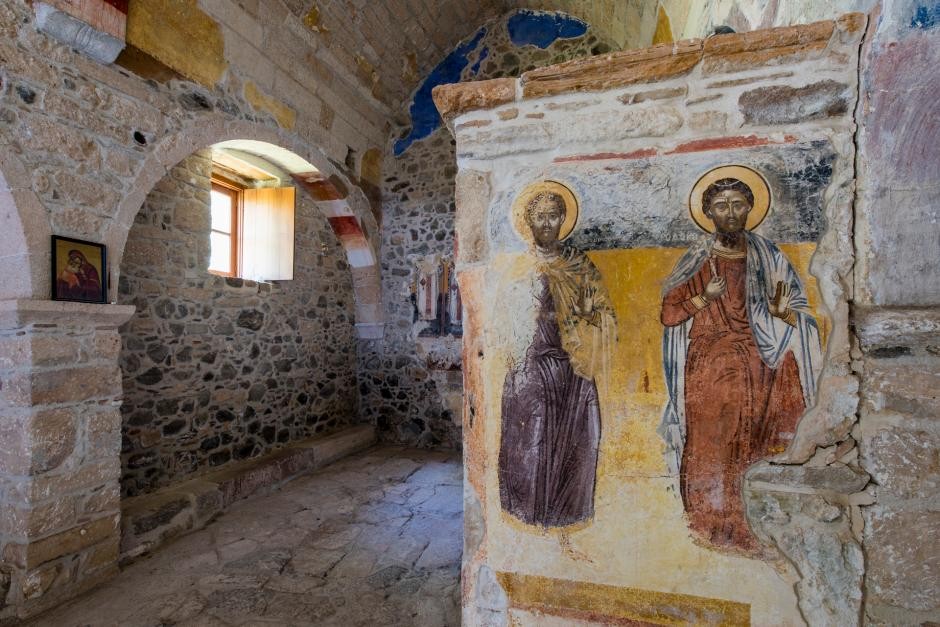
Paliachora served as Aegina’s medieval capital from the 9th to the 19th century. Built inland and high above sea level, it offered protection from pirate raids that plagued the Saronic Gulf. The area is dotted with the remains of over 30 small Byzantine churches and chapels, many adorned with surviving frescoes. Today, Paliachora stands as a living open-air museum, illustrating Aegina’s Christian and Byzantine heritage amid peaceful rural surroundings.
Aegina’s Local Products & World-Famous Pistachios
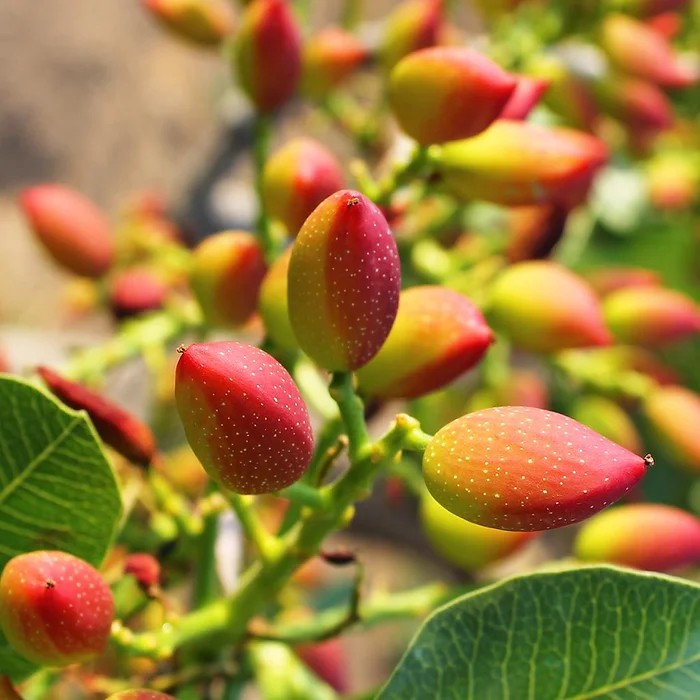
Aegina is celebrated not only for its history but also for its strong agricultural identity, shaped by a dry Mediterranean climate, mineral-rich soil, and centuries of local know-how. Among its local products, pistachios stand as the island’s most iconic treasure.
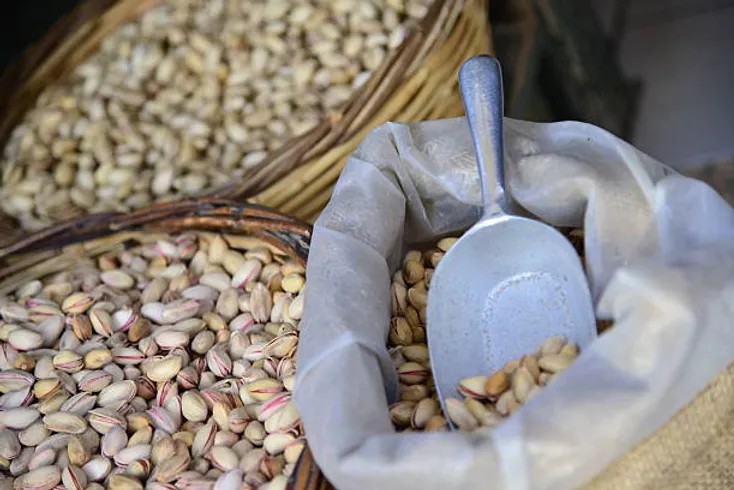
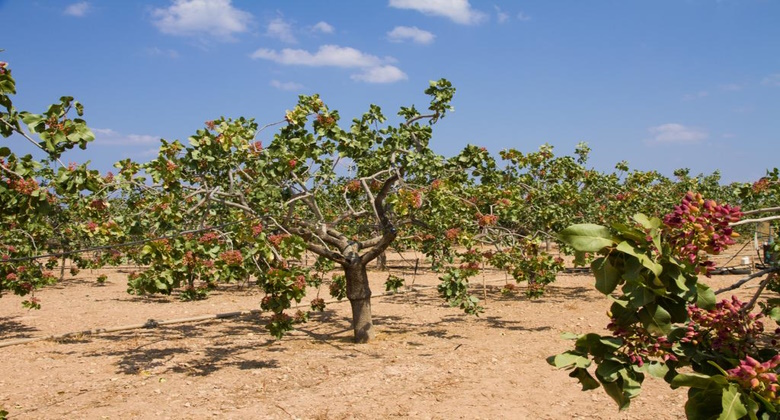
Aegina pistachios are protected by PDO (Protected Designation of Origin) status, confirming their exceptional quality and unique characteristics. Introduced in the late 19th century, pistachio trees flourished on the island thanks to ideal growing conditions—sea breezes, low humidity, and volcanic soil. The result is a pistachio known for its intense aroma, naturally sweet flavor, vibrant green color, and delicate texture, widely regarded among the finest in the world.
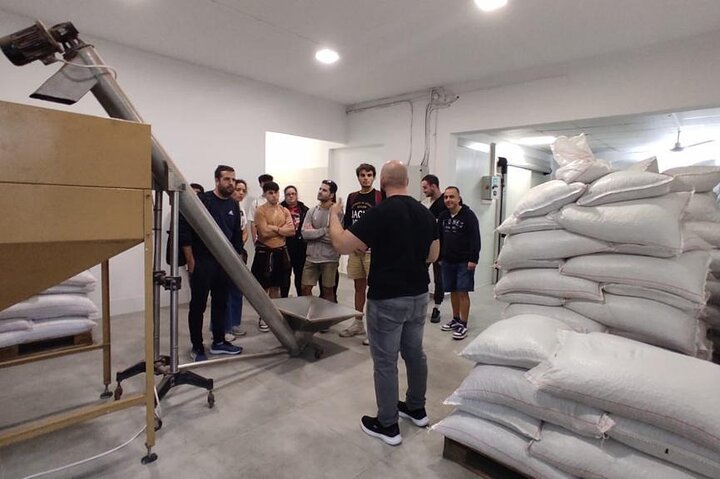
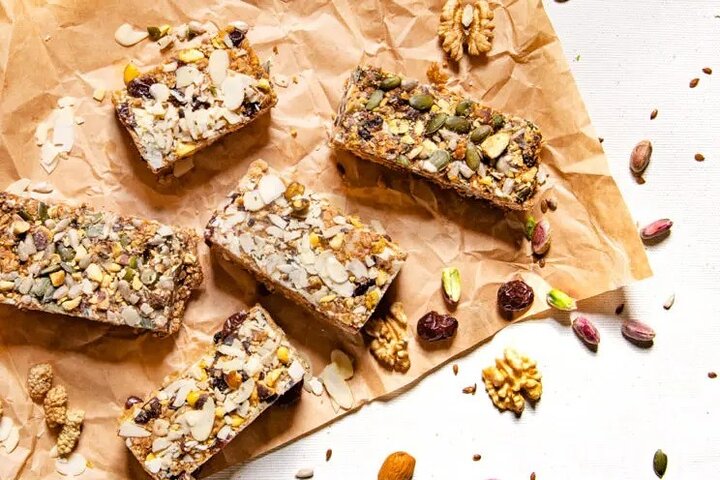
Harvested traditionally toward the end of summer, Aegina pistachios are carefully dried and processed using time-honored methods. They are enjoyed both raw and roasted and are transformed into a variety of artisanal products, including pistachio butter, sweets, pastries, spreads, and liqueurs, all deeply connected to the island’s culinary heritage.