
3- 4 Hours
Private Tour
English
Up to 14 Guests
Athens Shore Excursion Acropolis and Anafiotika
Got a Question?
Contact UsHighlights
Athens Shore Excursion
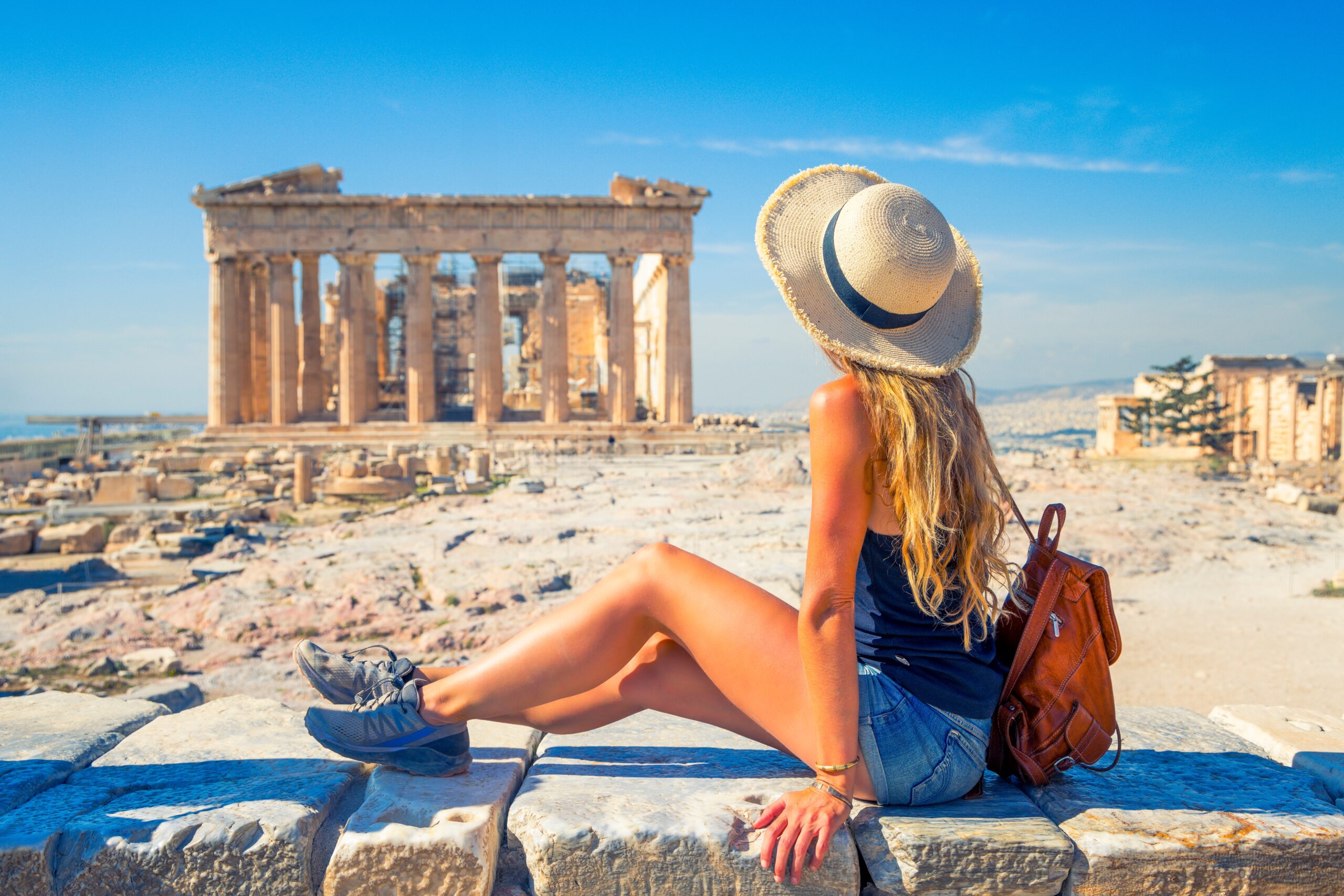
- Acropolis Hill – Parthenon – Erechtheion
- Dionysus Theatre – Herodion Odeon
- Plaka – The Old City
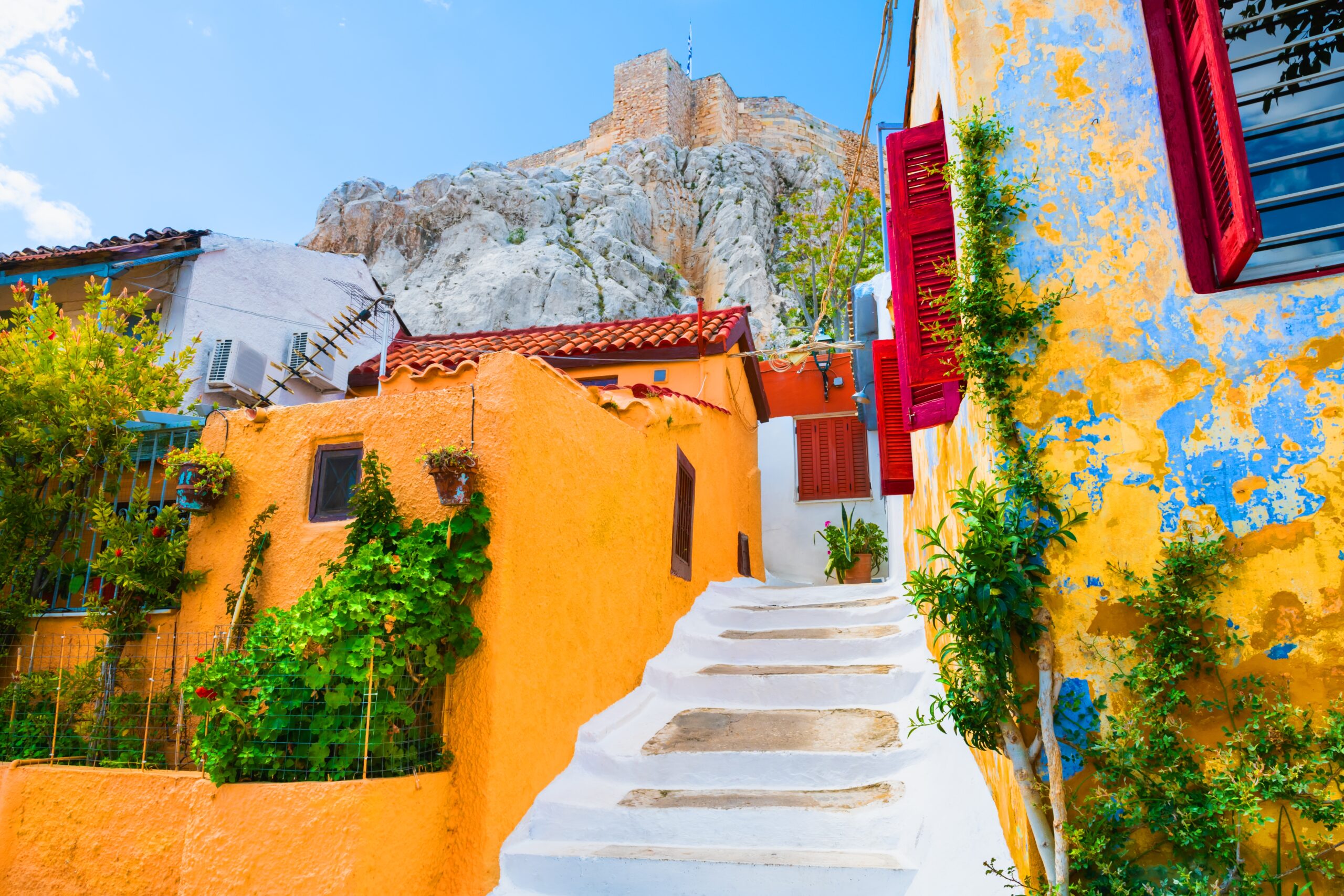
- Anafiotika
- Temple of Zeus – Arch of Hadrian
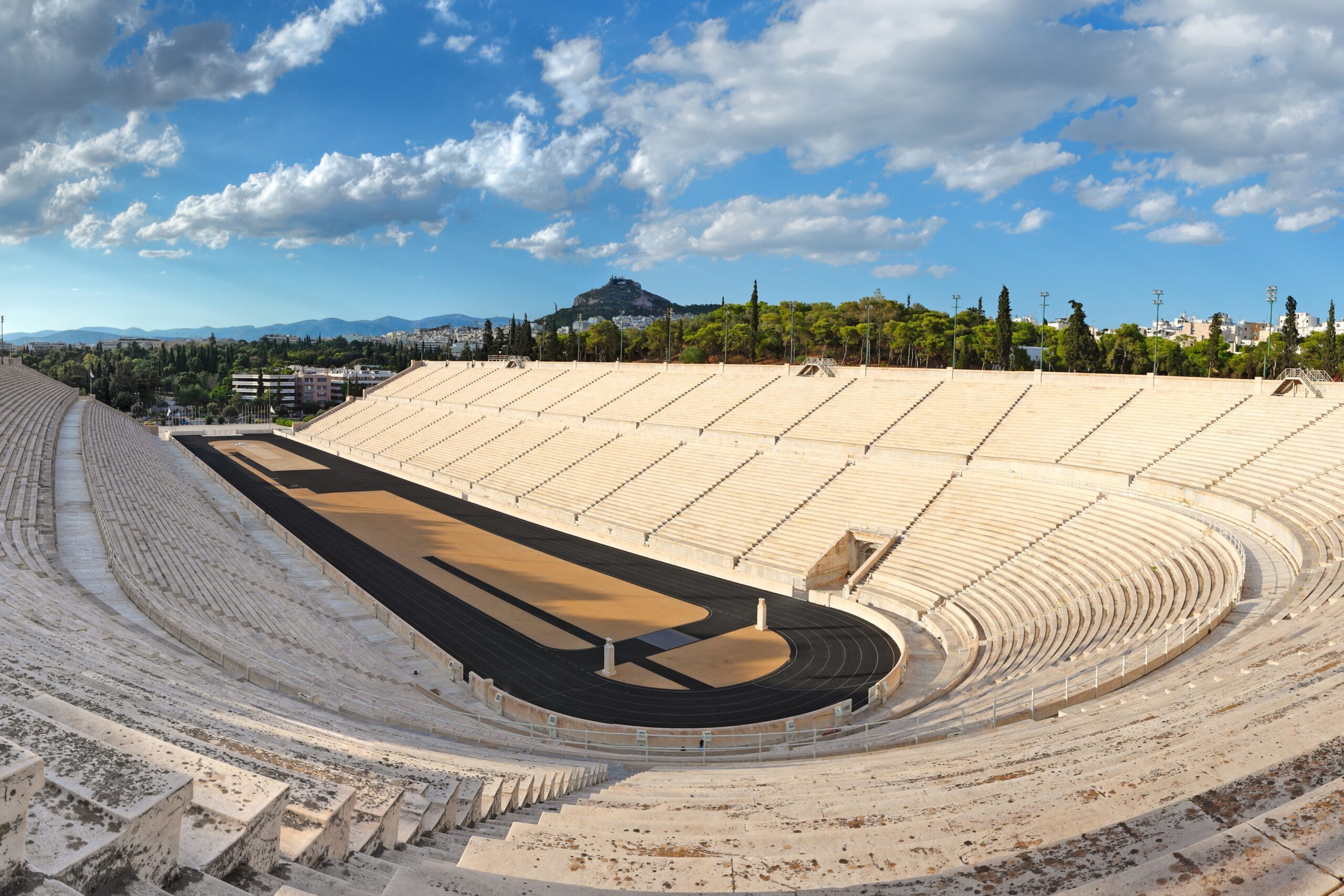
- Old Olympic Stadium
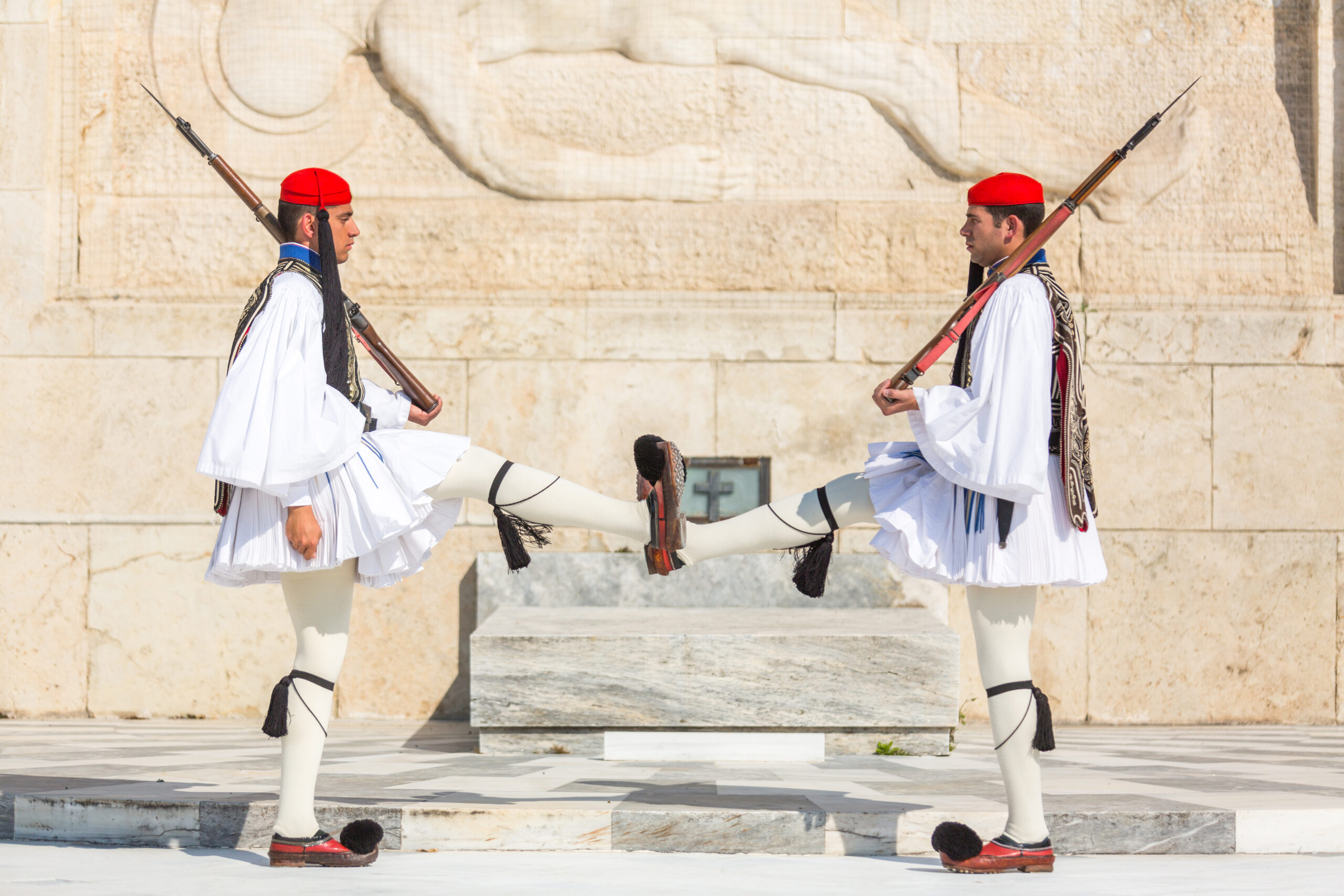
- Parliament – Changing of the Guards
- Academy of science – Athens University – National Library
- Lycabettus Hill
Itinerary
Your Athens Private Shore Excursion begins with a warm welcome at Piraeus Cruise Port, where your English-speaking driver will meet you and escort you to your private, air-conditioned vehicle. Leaving the port behind, we will head towards the historical center of Athens to discover the city’s most famous landmarks and hidden treasures.
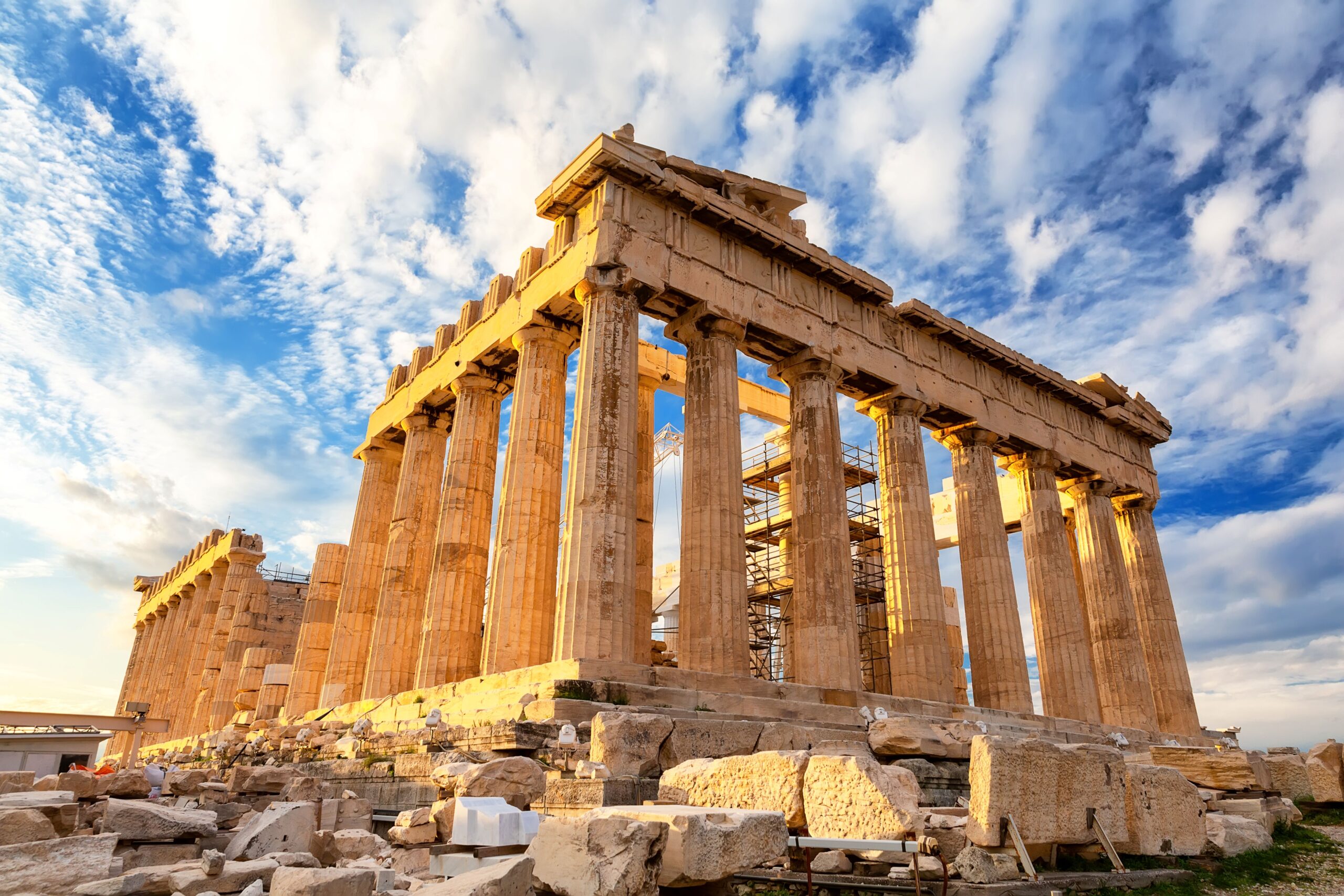
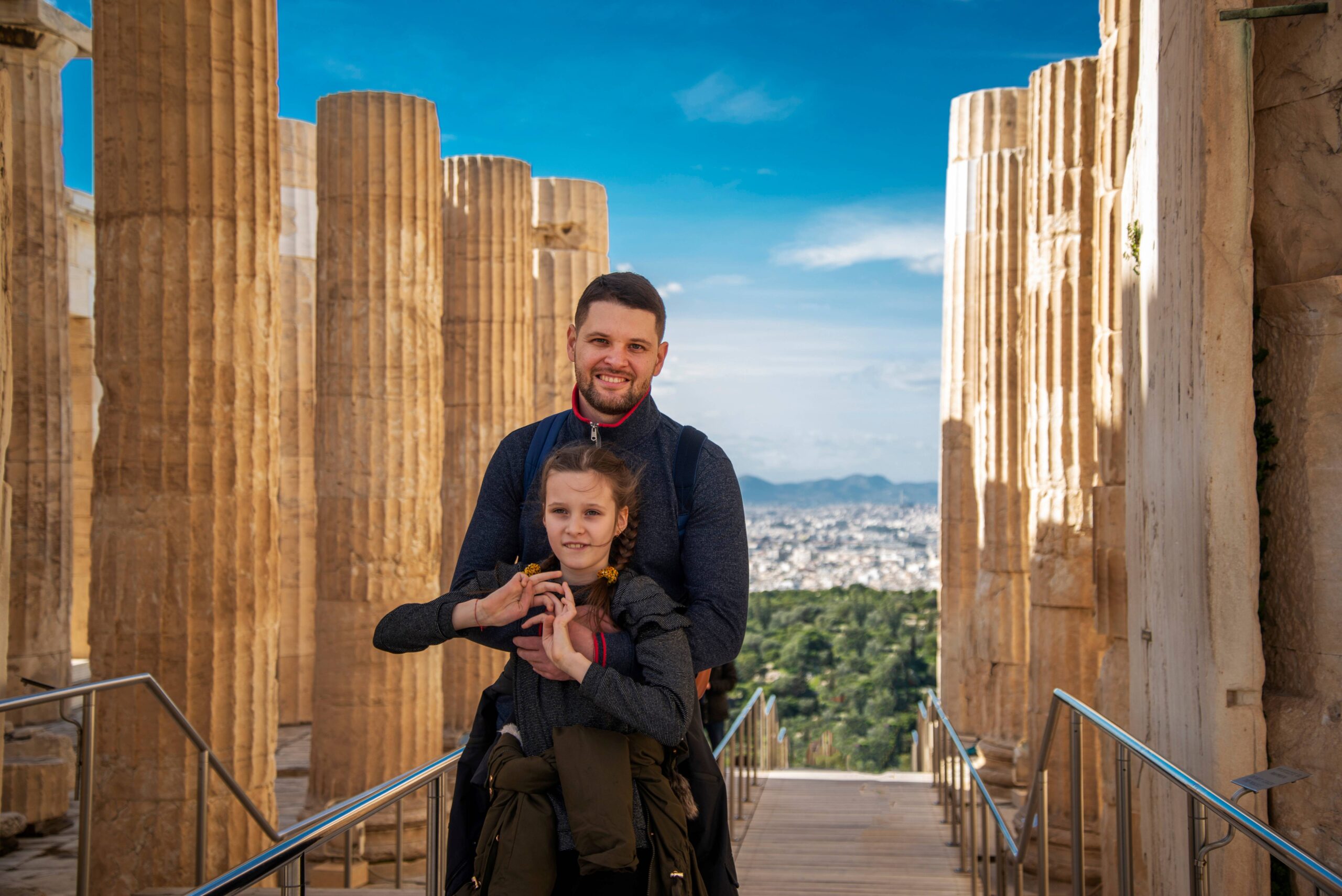
Our first stop is the Acropolis Hill, the highlight of Athens and one of the most important archaeological sites in the world. Here, you will explore the magnificent Parthenon, the Temple of Athena Nike, the Propylaea, the Erechtheion, and the Odeon of Herodes Atticus. With your audio guide, discover the fascinating history and mythology behind these ancient monuments while enjoying breathtaking views of the city.
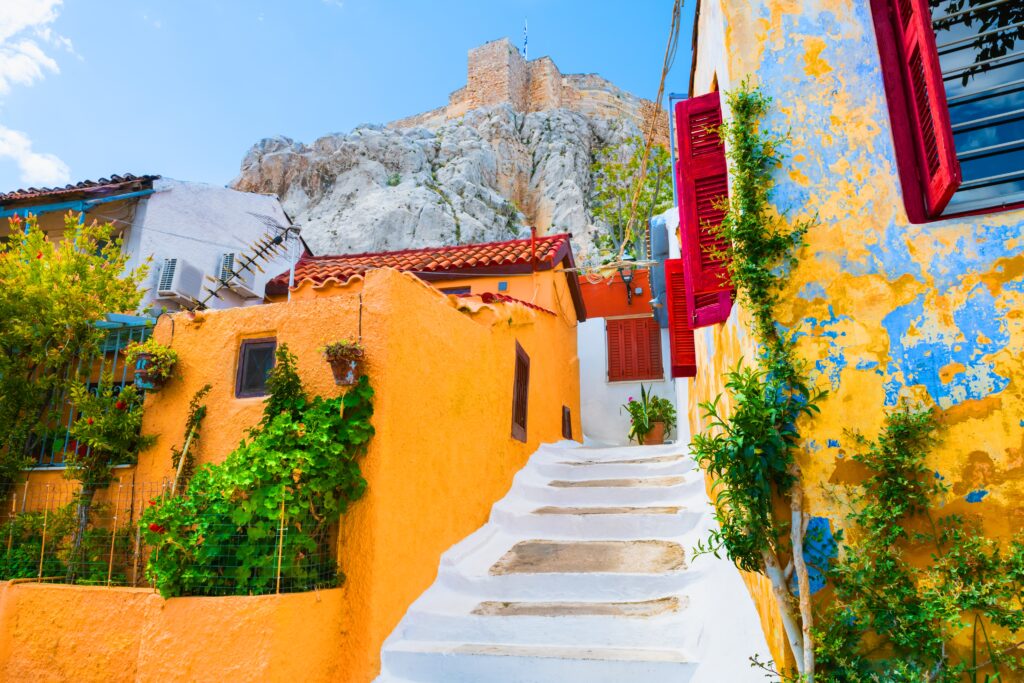
After visiting the Acropolis, we will continue to Anafiotika, one of Athens’ best-kept secrets. Hidden beneath the Acropolis, this picturesque neighborhood feels like a small Greek island in the heart of the city. Wander through narrow cobblestone alleys, admire the traditional whitewashed houses with colorful shutters, and discover charming corners away from the busy tourist streets.
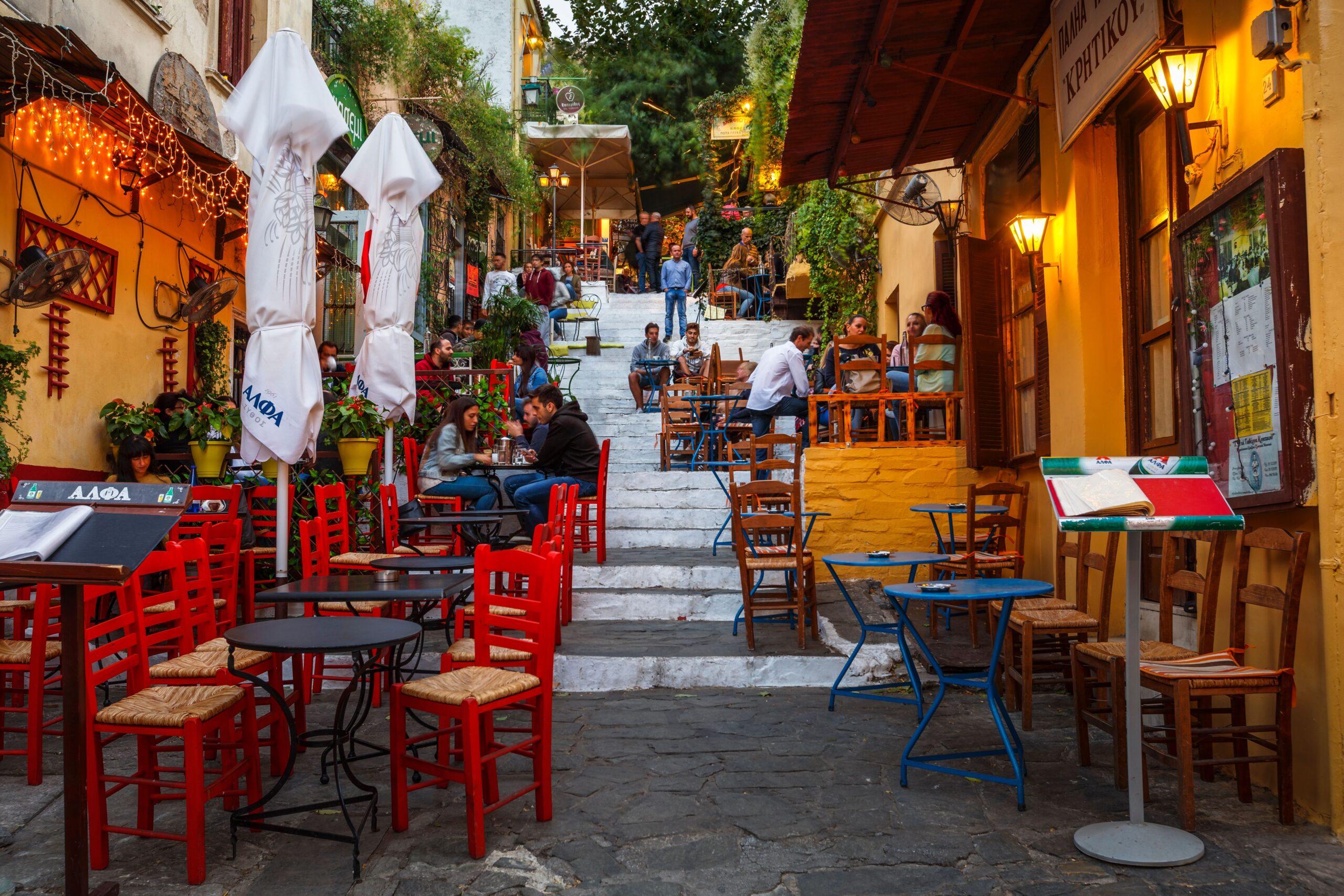
From there, we will explore Plaka, the oldest neighborhood of Athens, known for its neoclassical architecture, traditional shops, and authentic Greek atmosphere. Along the way, enjoy a small complimentary Greek treat and experience a taste of local hospitality.
Our journey continues towards the Temple of Olympian Zeus, the largest temple of ancient Greece, dedicated to the King of the Gods. Along the way, we will also admire Hadrian’s Arch, one of the city’s most recognizable historical monuments.
Next, we will visit the Panathenaic Stadium, the impressive marble stadium where the first modern Olympic Games were held in 1896. Here, you will have the opportunity to capture memorable photos of this remarkable landmark.
Driving alongside the National Garden, we will reach Syntagma Square, the heart of modern Athens, where you will see the Greek Parliament and the famous Evzones guarding the Tomb of the Unknown Soldier. Depending on the timing, you may also witness the traditional Changing of the Guard ceremony.
After that, we will drive along Panepistimiou Street, one of Athens’ most historical avenues, to admire the impressive Architectural Trilogy of Athens — the Academy, the University, and the National Library — three magnificent examples of 19th-century neoclassical architecture.
Then, we will head towards Lycabettus Hill, one of the city’s most spectacular viewpoints. From here, enjoy breathtaking panoramic views stretching from the Acropolis and the historic center all the way to the Aegean Sea. It is the perfect place to capture unforgettable photos of Athens.
As our excursion comes to an end, your private driver will take you comfortably back to Piraeus Cruise Port, ensuring your return is carefully planned around your ship’s departure time.
This carefully designed private shore excursion combines the must-see attractions of Athens with its hidden neighborhoods and authentic local experiences, making it the perfect choice for cruise passengers who want to discover more than the typical tourist sights.
Travel comfortably, explore at your own pace, and discover the Athens we know and love.
Avoiding the tourist traps.
Being a traveler, not a tourist.
Inclusions - Exclusions
Private Tours are personal and flexible just for you and your party.
Inclusions:
- Professional Drivers with Deep knowledge of history [Not licensed to accompany you in any site]
- Acropolis Audio Guide
- Port pickup and drop-off
- Transport by private vehicle
- Skip the line tickets [Acropolis]
- Traditional ”koulouraki” and a refreshing Greek beverage or Cold coffee- Greek style
- Bottled water
Exclusions:
- Licensed Tour guide upon request depending on availability [Additional cost — 280€]
- Airport Pick Up and drop-off [Additional cost]
History
Acropolis:
The Acropolis hill (acro – edge, polis – city), so-called the “Sacred Rock” of Athens, is the most important site of the city and constitutes one of the most recognizable monuments of the world. It is the most significant reference point of ancient Greek culture, as well as the symbol of the city of Athens itself as it represents the apogee of artistic development in the 5th century BCE. During Perikles’ Golden Age, ancient Greek civilization was represented in an ideal way on the hill and some of the architectural masterpieces of the period were erected on its ground.
Propylaea:
The Propylaea is the monumental entrances to the sacred area dedicated to Athena, the patron goddess of the city. Built by the architect Mnesicles with Pentelic marble, their design was avant-garde. To the south-west of the Propylaea, on a rampart protecting the main entrance to the Acropolis, is the Ionian temple of Apteros Nike or Wingless Victory.
Parthenon:
It is the most important and characteristic monument of the ancient Greek civilization and still remains its international symbol. It was dedicated to Athena Parthenos (the Virgin), the patron goddess of Athens. It was built between 447 and 438 B.C.E. and its sculptural decoration was completed in 432 B.C.E. The construction of the monument was initiated by Perikles, the supervisor of the whole work was Pheidias, the famous Athenian sculptor, while Iktinos (or Ictinus) and Kallikrates (Callicrates) were the architects of the building. The temple is built in the Doric order and almost exclusively of Pentelic marble. It is peripheral, with eight columns on each of the narrow sides and seventeen columns on each of the long ones. The central part of the temple, called the cella, sheltered the famous chryselephantine cult statue of Athena made by Pheidias. The rest of sculptural decoration, also by Phidias, was completed by 432 BCE. 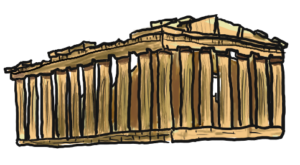 The sculptural decoration of the Parthenon is a unique combination of the Doric metopes and triglyphs on the entablature and the Ionic frieze on the walls of the cella. The metopes depict the Gigantomachy on the east side, the Amazonomachy on the west, the Centauromachy on the south and scenes from the Trojan War on the north. The Parthenon, the Doric temple, the pinnacle of Pericles’ building program is beyond question the building most closely associated with the city of Athens, a true symbol of ancient Greek culture and its universal values.
Erechtheion:
The elegant building known as the Erechtheion was erected in 421-406 BC. The name derives from Erechtheus, the mythical king of Athens, who was worshipped there. The building owes its unusual shape to the irregularity of the terrain – there is a 3-metre difference in height between the eastern and western parts – and the multiple cults it was designed to accommodate. The eastern part of the building was dedicated to Athena Polias, while the western part served the cult of Poseidon-Erechtheus. The sanctuary also contained the grave of Kekrops and the traces of the dispute between Athena and Poseidon for the possession of the city of Athens.
The temple was made of Pentelic marble, the frieze of Eleusinian grey stone with white relief figures attached to it and the foundations of Piraeus stone. On the north side is the entrance to the west part of the building, sheltered by a pi-shaped propylon with four Ionic columns along the facade and one on either side. The stone paving of this propylon was thought to preserve the traces made by Poseidon’s trident when it hit the ground and produced salt water. Finally, another door on the south facade of the western temple opened onto the porch of the Karyatides, a pi-shaped structure with six female statues instead of columns to support the roof. Five of them are in the Acropolis Museum and another in the British Museum those on the building are casts. The frieze probably depicted scenes related to the mythical kings of Athens.
Anafiotika:
Anafiotika is one of Athens’ most picturesque and historic neighborhoods, nestled on the northeastern slopes of the Acropolis. Its history dates back to the mid-19th century, when skilled craftsmen and builders from the Cycladic island of Anafi arrived in Athens to work on the construction of the new capital of Greece, following the country’s independence.
During the reign of King Otto, these craftsmen brought with them the traditional architecture of their homeland, creating a small island-style settlement in the heart of Athens. They built charming whitewashed houses, narrow winding alleys, and tiny courtyards decorated with flowers, giving the neighborhood its distinctive Cycladic character.
The name Anafiotika literally means “the neighborhood of the people from Anafi,” honoring the islanders who established this unique community.
Over the years, the neighborhood has preserved much of its original charm, although several houses were demolished during archaeological excavations around the Acropolis in the 20th century.
Today, Anafiotika remains a peaceful escape from the busy streets of Athens, offering visitors the rare opportunity to experience the atmosphere of a traditional Greek island without leaving the city.
A visit to Anafiotika is like discovering a hidden Cycladic village beneath the ancient walls of the Acropolis — a place where Athens’ modern history, island traditions, and authentic local life come together.
The Temple of Zeus:
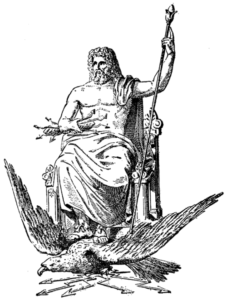 This marvel is right in the center of Athens. It is the largest temple in Greece. Its building began in the 6th century BCE by Peisistratos (but it was abandoned for lack of funds). Various other leaders attempted to finish it, but it was left to Hadrian to complete the work in AD 131 – taking more than 700 years in total to build. The temple is impressive for the sheer size of it. Originally it had 104 Corinthian columns (17 m high and with a base diameter of 1.7 m). Unfortunately, only 15 remain (the fallen one was blown down in a gale in 1852). Hadrian also put up a colossal statue of Zeus (in the cella) and because he was such a modest fellow he placed an equally large one of himself next to it.
Hadrian’s Arch:
The Roman emperor Hadrian had a great affection for Athens. Although he did his fair share of spiriting its classical artwork to Rome, he also embellished the city with many monuments influenced by classical architecture. His arch is a lofty monument of Pentelic marble that stands where busy Leoforos Vasilissis Olgas and Leoforos Vasilissis Amalias meet. Hadrian erected it in AD 132, probably to commemorate the consecration of the Temple of Olympian Zeus. The inscriptions show that it was also intended as a dividing point between the ancient and Roman city. The northwest frieze reads ‘This is Athens, the ancient city of Theseus’, while the southeast frieze states ‘This is the city of Hadrian, and not of Theseus’.
The Old Olympic Stadium / Panathenaic Stadium:
 The grand Panathenaic Stadium lies between two pine-covered hills (between the neighborhoods of Mets and Pangrati). It was originally built in the 4th century BCE as a venue for the Panathenaic athletic contests. It’s said that at Hadrian’s inauguration in AD 120, 1000 wild animals were sacrificed in the arena. Later, the seats were rebuilt in Pentelic marble by Herodes Atticus. There are seats for 70,000 spectators, a running track and a central area for field events. After hundreds of years of disuse, the stadium was completely restored in 1895 (by a wealthy Greek benefactor Georgios Averof) to host the first modern Olympic Games the following year. It’s a faithful replica of the original
 Panathenaic Stadium. It made a stunning backdrop to the archery competition and the marathon finish during the 2004 Olympics. It’s occasionally used for concerts and public events, and the annual Authentic Athens Marathon finishes here.
The Changing of the Guards:
Although the guards change hourly, there is a big ceremony once a week. These guards, the Evzones, stand motionless at the tomb of the Unknown Soldier. Getting into this unit is an honor and they have to be over 6 ft. tall. They wear white tights, a white skirt, a white blouse with full sleeves, an embroidered vest, red cap and shoes with big pom-poms, but don’t let the outfit fool you, these guys are the best of the best. The uniform is based on the clothing of the Klephts, mountain fighters who fought the Turks from the 15th century until Greek independence in the 19th century.
The Academy of Science:
The Academy building constitutes one of three parts in an “architectural trilogy”. It was founded with the Constitutional Decree of March 18th, 1926, as an Academy of Sciences, Humanities and Fine Arts. The same Decree appointed its first members, who were all eminent representatives of the scientific, intellectual and artistic circles of that era. Designed in 1859, by the Danish architect Theophil Hansen (1813-1891, the younger brother of the University’s architect, Christian Hansen). It is considered the most important work of Hansen and is regarded by some experts as the most beautiful neoclassic building worldwide. The architect’s source of inspiration was the classical architecture of 5th century B.C.E. Athens, as portrayed in the monuments of the Acropolis. In particular, Hansen imitated the Ionian rhythm that dominates the building of the Academy, from the Erechtheion monument. The essence of all ancient Greek tradition can be found in the building’s sculptural and pictorial decoration; simultaneously the character of that era’s Hellenism and its visions for the future are also expressed.
The University of Athens:
The National and Kapodistrian University of Athens is the largest state institution of higher learning in Greece and among the largest universities in Europe. The splendid Athens University was designed by the Danish architect Christian Hansen and completed in 1864. It was the first of the Architectural Trilogy to be built. It still serves as the university’s administrative headquarters. To its left is the Athens Academy, unfortunately, neither is open to the public.
The National Library:
The National Library of Greece was built at the end of the 19th century, as the last of the Architectural Trilogy of Athens, a group of three neoclassical buildings which also includes the Academy and the University. The building was designed by Theophil Hansen, a Danish architect who had studied classical architecture in Vienna and Athens. (He had also previously worked on the University – together with his older brother Christian, as well as on the Zappeion and the Academy of Athens). Construction of the National Library started in 1887 and was completed 15 years later. Theophil Hansen died in 1891 and would never see his building completed. The National Library was designed as a Doric temple flanked by two wings and built almost entirely with Pentelic marble. The design of the Doric building was based on that of the Propylaea on the Acropolis. (It is devoid of any sculptural ornamentation; even the tympanum is left undecorated). Two wide winding staircases lead to the entrance of the “temple”. The statue standing between the staircases shows one of the benefactors of the library, the merchant Panaghis Athanassiou Vallianos. The building houses a large collection of books, maps, newspapers, and manuscripts in Greek and other languages. Most interesting is the collection of Greek manuscripts, some of which are more than 1400 years old.
The Hill of Lycabettus:
The name Lykavittus appears in various legends. Popular stories suggest it was once the refuge of wolves, (Lycos in Greek) which is possibly the origin of its name (means “the one [the hill] that is walked by wolves”). Mythologically, Lycabettus is credited to Athena who created it when she dropped a mountain she had been carrying from Pallene for the construction of the Acropolis.
There is a path that leads to the summit, alternatively, take the funicular railway or Teleferik up to the top. Don’t try to walk up (pilgrims used to but it’s an Everest for the faithless). The panorama from the top is priceless – all the way to Mount Parnes in the north, west to Piraeus and the Saronic Gulf, with the Acropolis sitting like a ruminative lion halfway to the sea. There’s also a cafe /restaurant up there. Perched on the summit is the little Chapel of Agios Georgios, floodlit like a beacon over the city at night. The open-air Lykavittos Theatre, northeast of the summit, hosts concerts in summer, and many famous artists have performed there.
Plaka – The Old Town:
Stroll through the streets of Plaka – the city’s Old Town. Sprawled over the side of Athens’ Acropolis, this historical neighbourhood comprises a maze of cobbled streets lined with Neoclassical architecture, Byzantine churches and busy independent shops. On the northernmost streets of Plaka is known as Anafiotika — an idyllic cluster of whitewashed houses that are reminiscent of buildings in the Greek islands. Admire Anafiotika’s pretty Cycladic architecture, built by 19th-century workers who emigrated here from Anafi Island. It’s thought the workers were homesick for their native island life, so painted the buildings bright white to remind them of Anafi. Feel like an islander on the mainland.
Cancellation Policy

All cancellations must be confirmed by Olive Sea Travel.
Regarding the Day Tours:
Cancellations up to 24 hours before your service date are 100% refundable.
Cancellation Policy:
- Licensed Tour Guides and Hotels are external co-operators & they have their own cancellation policy.
- Apart from the above cancellation limits, NO refunds will be made. If though, you fail to make your appointment for reasons that are out of your hands, that would be, in connection with the operation of your airline or cruise ship or strikes, extreme weather conditions or mechanical failure, you will be refunded 100% of the paid amount.
- If your cancellation date is over TWO (2) months away from your reservation date, It has been known for third-party providers such as credit card companies, PayPal, etc. to charge a levy fee usually somewhere between 2-4%.
- Olive Sea Travel reserves the right to cancel your booking at any time, when reasons beyond our control arise, such as strikes, prevailing weather conditions, mechanical failures, etc. occur. In this unfortunate case, you shall be immediately notified via the email address you used when making your reservation and your payment WILL be refunded 100%.