Your journey begins with a comfortable pick-up from your hotel, villa, or the port of Naxos. Leaving the island’s capital behind, you will drive into the fertile countryside that has shaped Naxos’ agricultural traditions for centuries.
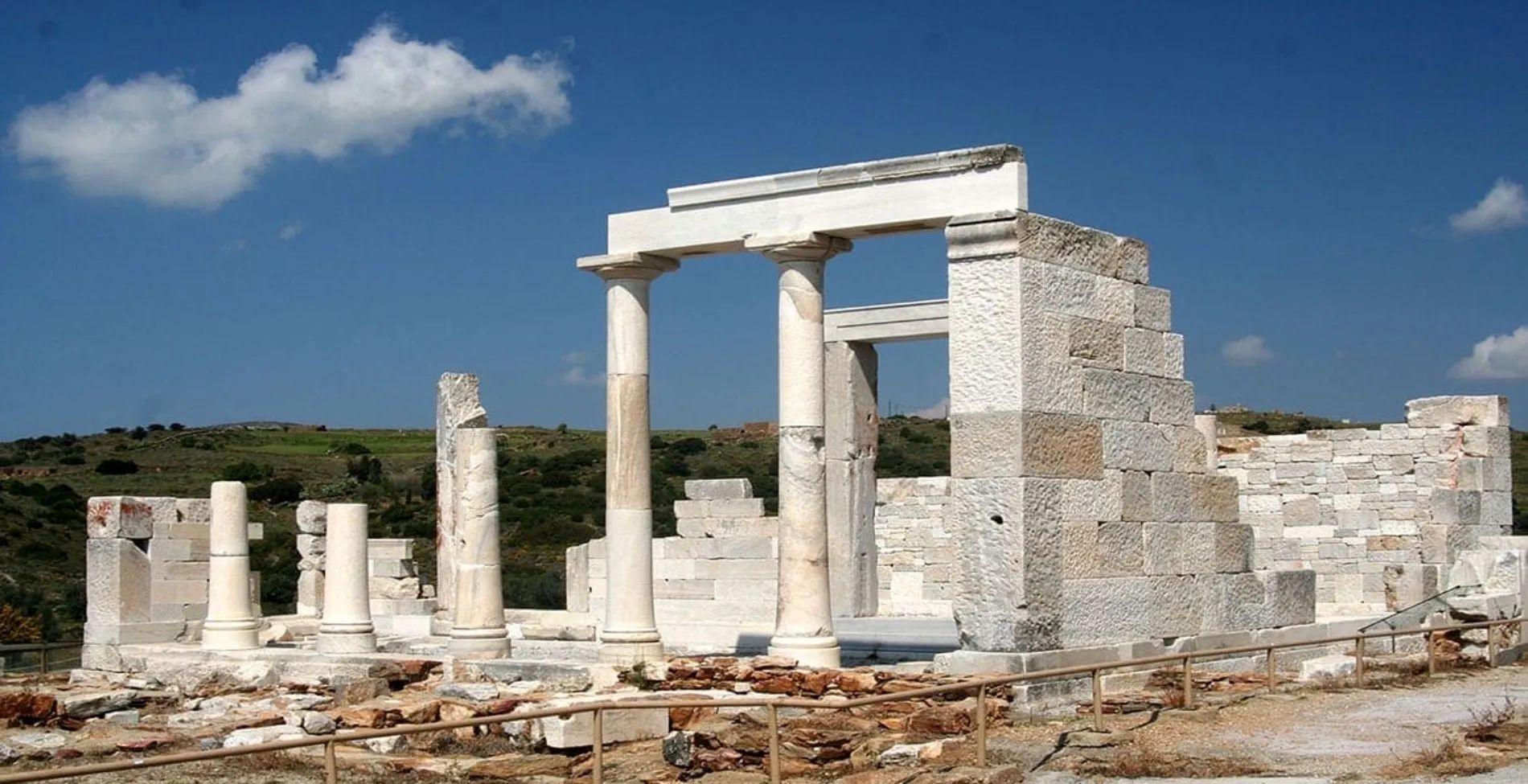
The first stop is the Temple of Demeter, one of the island’s most important archaeological monuments. Built around 530 BC entirely from Naxian marble, the temple was dedicated to Demeter, the goddess of agriculture and fertility. Located in a peaceful valley near Sangri village, the elegant structure predates the Parthenon and offers a fascinating insight into early Greek temple architecture and the agricultural importance of Naxos in antiquity.
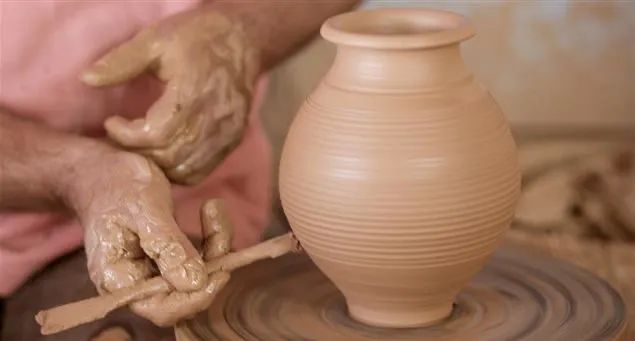
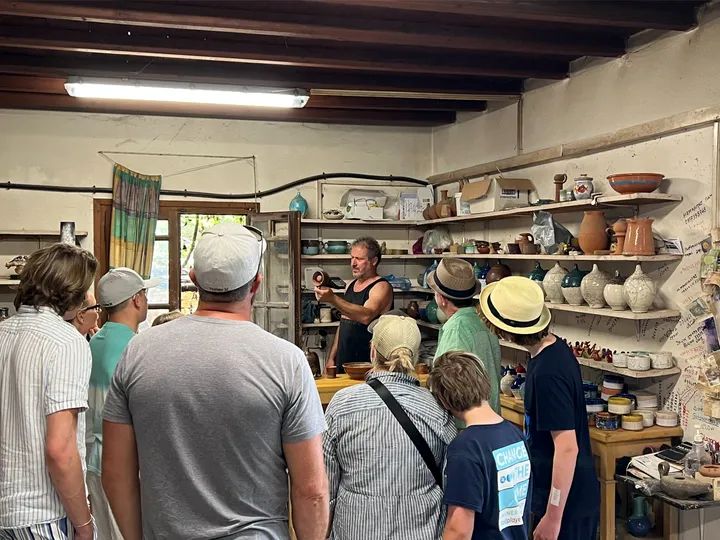
Continuing through the island’s green interior, you will arrive at Damalas Village, a small traditional settlement known for its long pottery tradition. Here you will visit the workshop of Manolis Limpertas Pottery, where local artisans demonstrate traditional ceramic techniques passed down through generations. This stop offers a unique opportunity to see authentic craftsmanship and learn about the island’s artistic heritage.
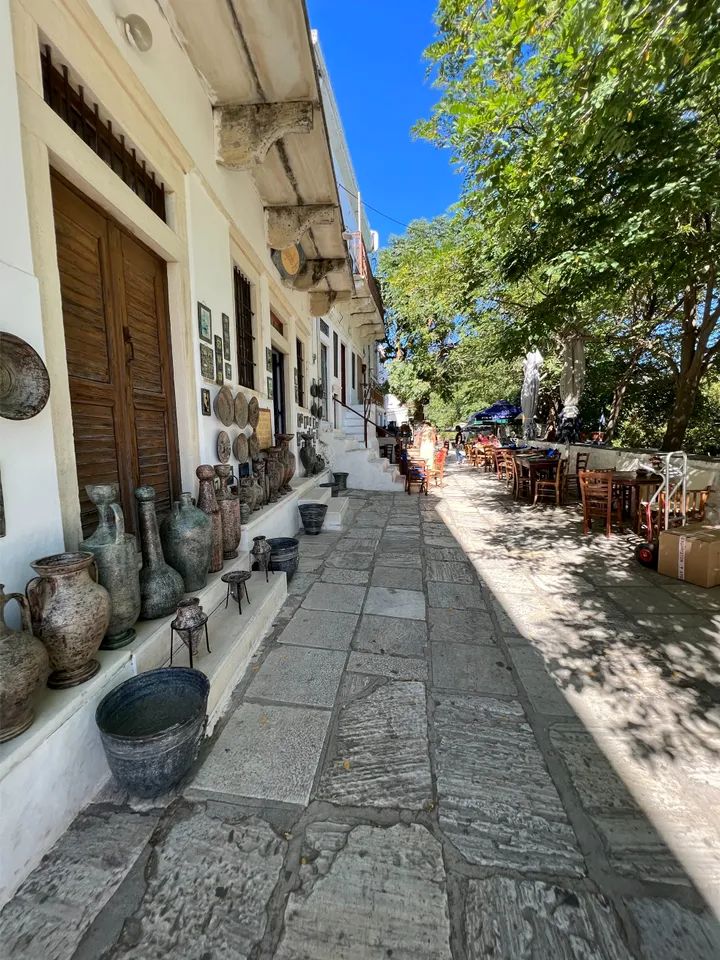
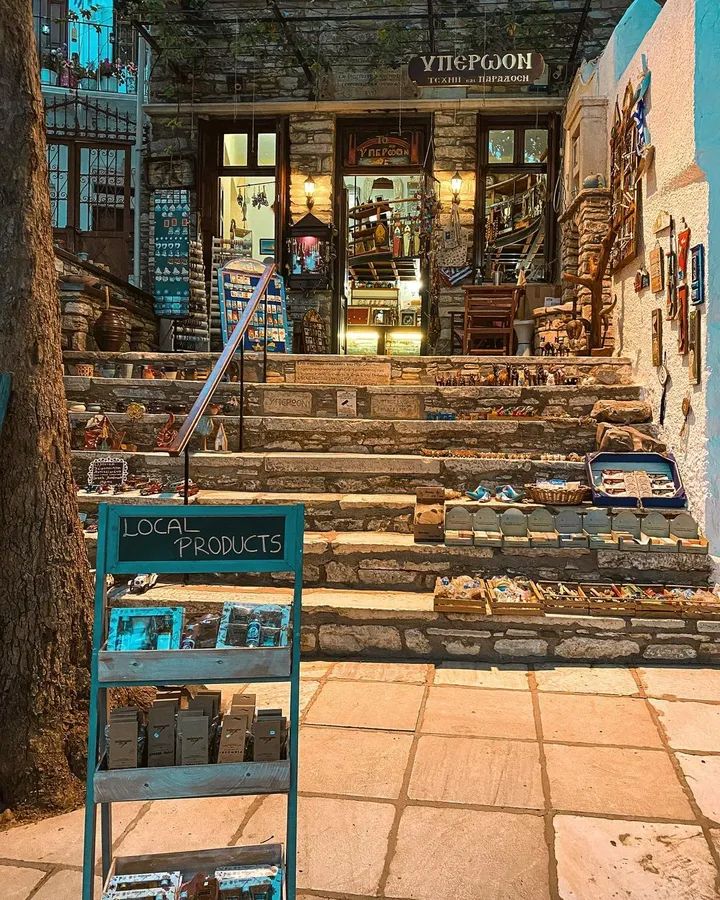
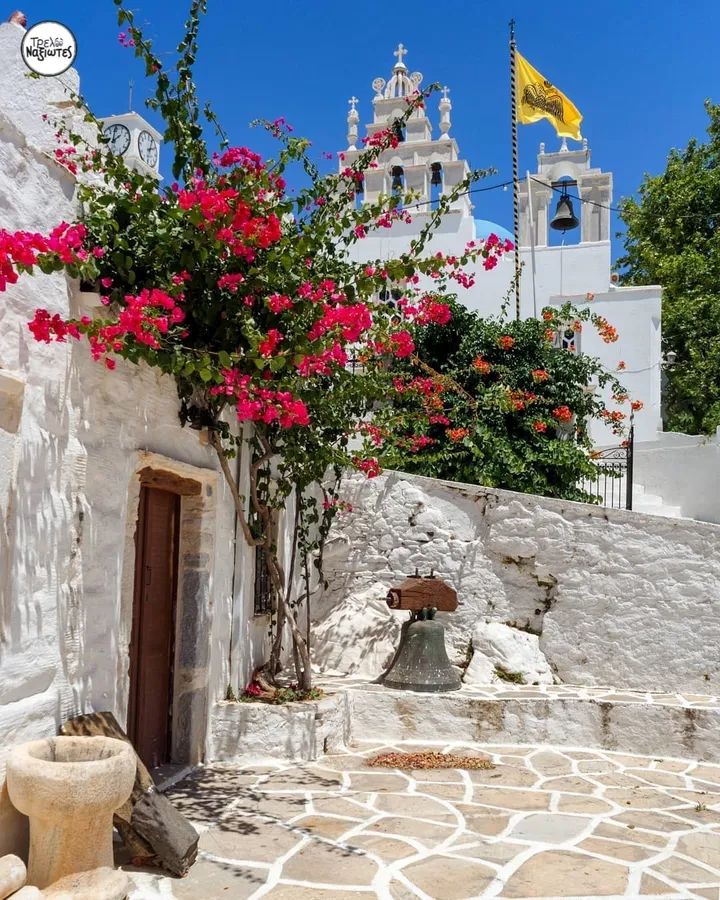
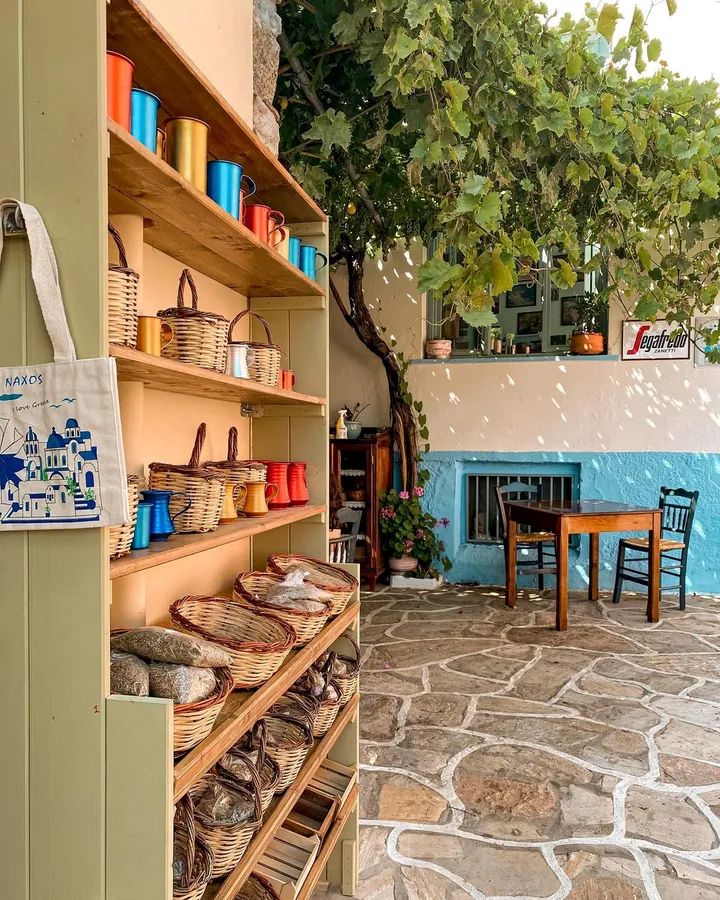
The tour continues to Chalki Village, once the administrative and commercial center of Naxos. Surrounded by olive groves and citrus trees, Chalki charms visitors with its neoclassical mansions, narrow alleys, and relaxed atmosphere. Enjoy some time to stroll through the picturesque streets, browse local shops, and experience the authentic character of inland Naxos.
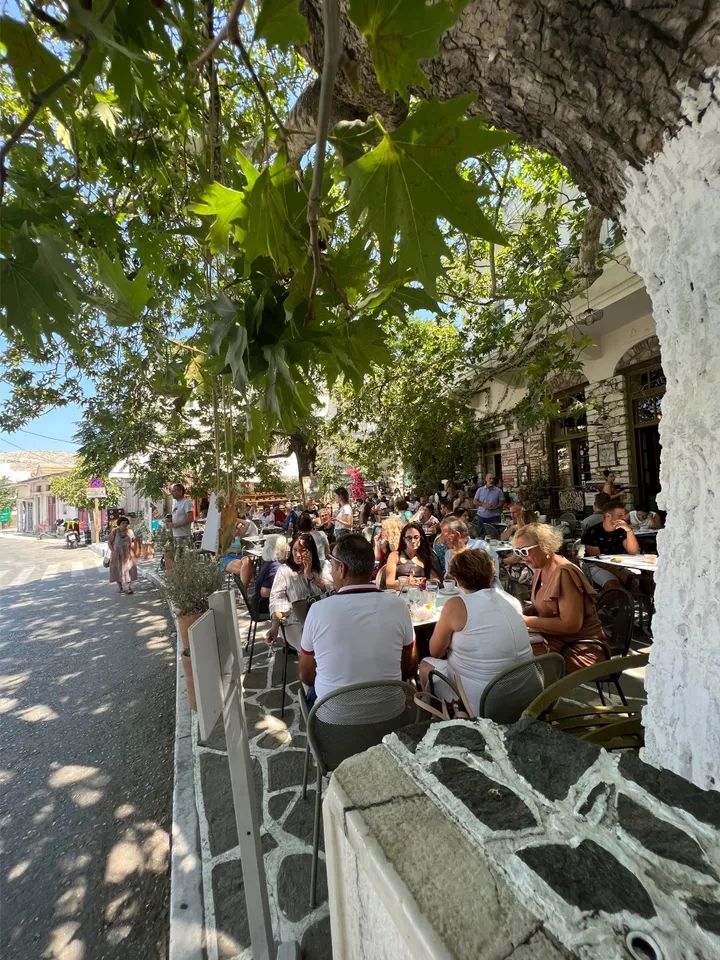
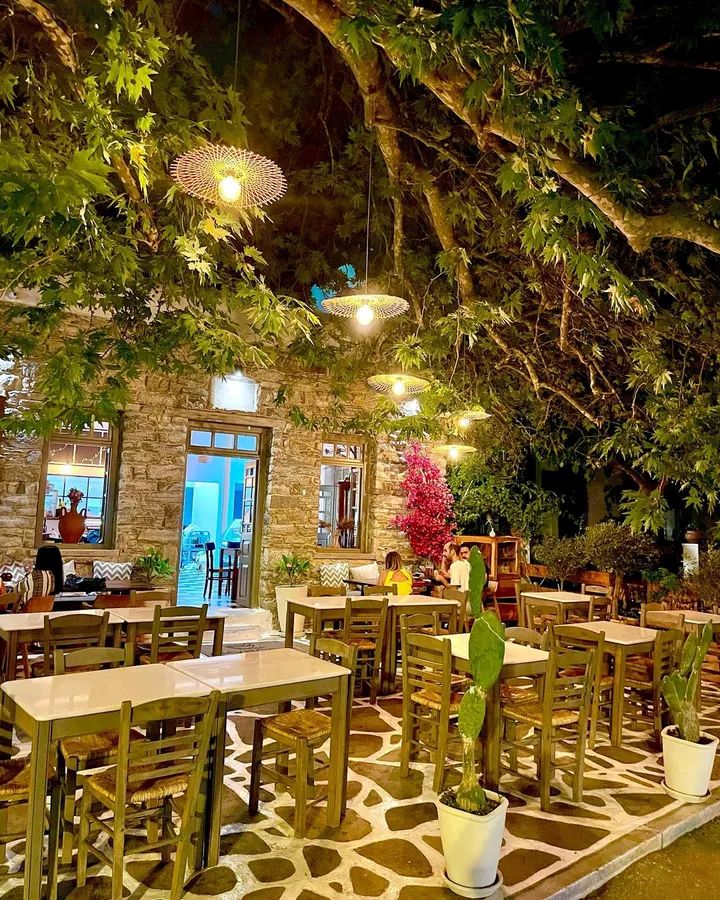
Next, you will reach Filoti, the largest village on the island, beautifully located at the foot of Mount Zas, the highest mountain in the Cyclades and, according to mythology, the place where Zeus was raised. Wander through the lively central square shaded by ancient plane trees, explore traditional stone houses, and enjoy the vibrant local atmosphere.
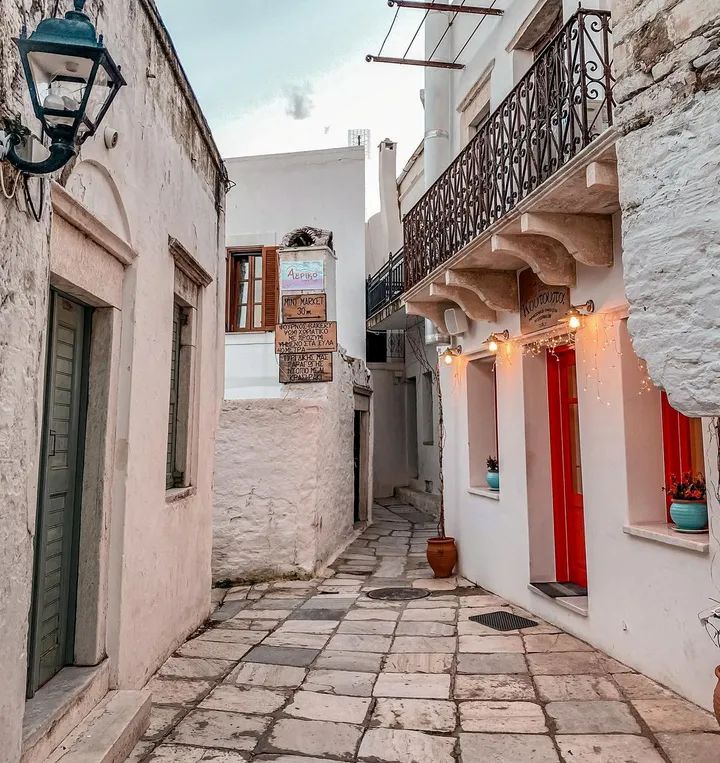
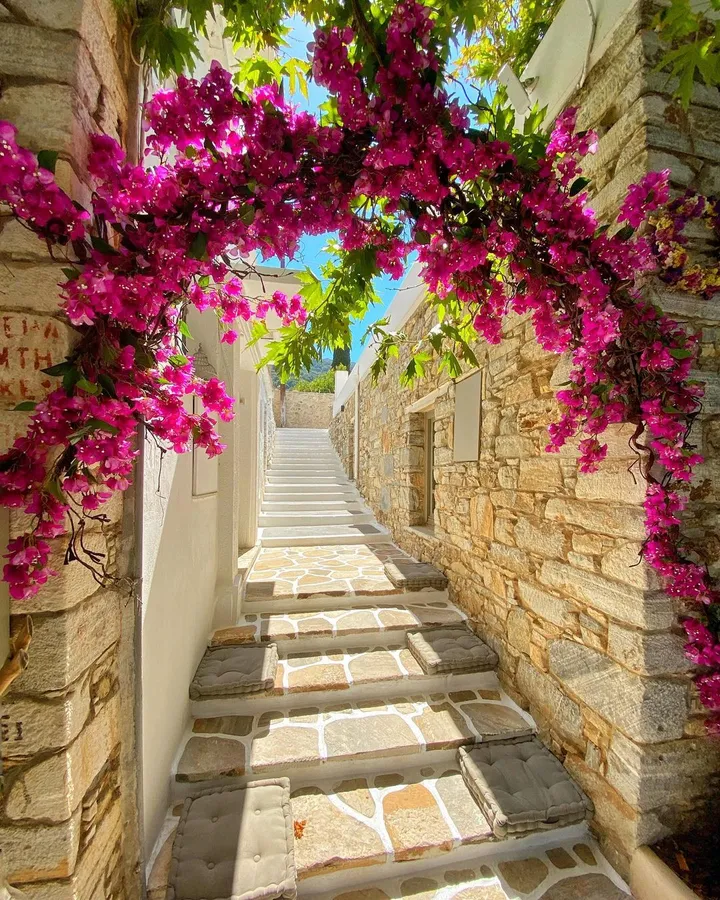
The journey then continues to the mountain village of Apeiranthos, often called the “marble village.” Built almost entirely from local marble, Apeiranthos features elegant archways, narrow cobbled alleys, and traditional Cycladic architecture that has remained largely unchanged for centuries. From its elevated position, the village offers breathtaking views over the surrounding mountains and valleys.
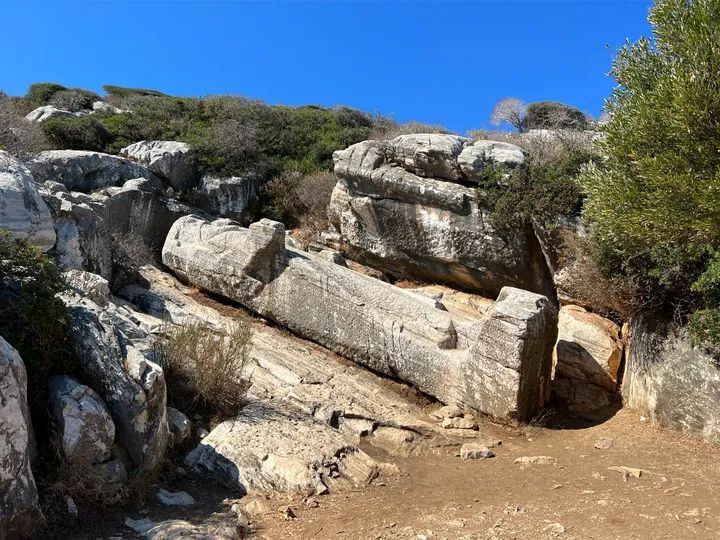
From here, the route takes you north across dramatic landscapes toward Apollonas, a charming fishing village on the island’s northern coast. Just outside the village lies the impressive Kouros of Apollonas, also known as the Colossus of Dionysus. This unfinished 10-meter marble statue dates back to the 6th century BC and remains lying in the ancient quarry where it was originally carved, offering a fascinating glimpse into the sculptural techniques of ancient Greece.
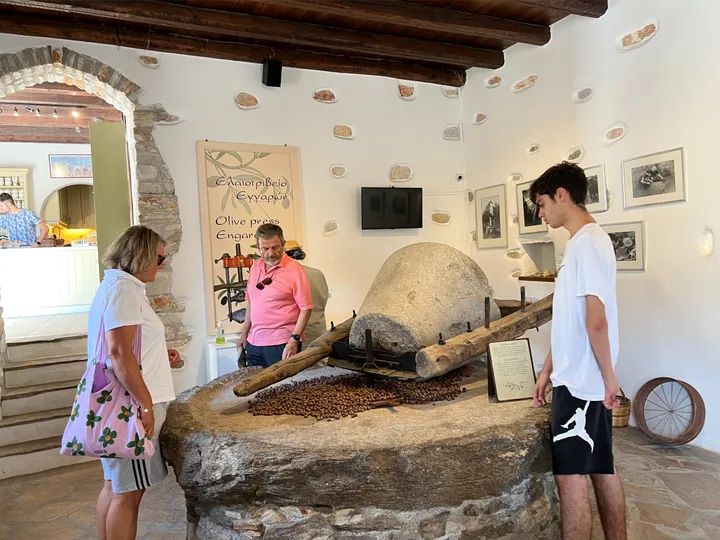
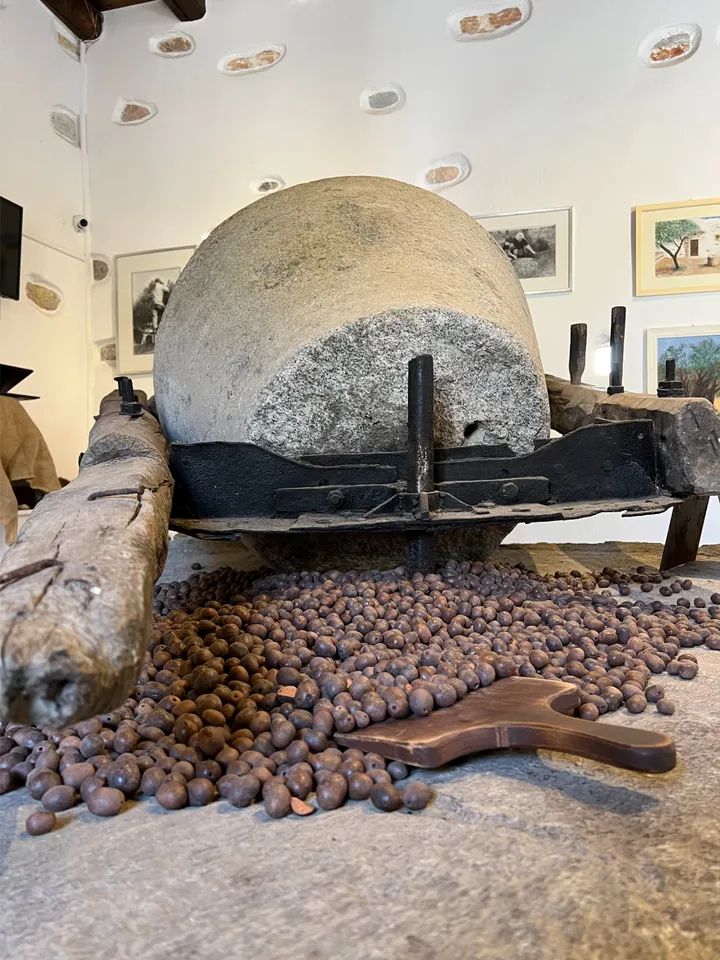
On the return journey toward Naxos Town, the tour includes a visit to the Eggares Olive Oil Museum, located in one of the island’s oldest olive presses. Here you will discover the long tradition of olive oil production in Naxos, see traditional pressing equipment, and learn about the importance of olive cultivation in Greek culture. Visitors often have the opportunity to taste local olive oil and related products.
After a full day exploring Naxos’ history, villages, landscapes, and local traditions, the tour concludes with a relaxing drive back to your hotel, villa, or the port.
This experience offers a comprehensive introduction to the island, combining ancient monuments, authentic mountain villages, traditional crafts, and the natural beauty that makes Naxos one of the most fascinating islands in the Cyclades.